We earn commissions when you shop through the links below.
The Privacy Revolution Has Arrived
In the last decade, eCommerce has transformed how we shop — and how we share our personal data. Every click, search, and checkout leaves a digital footprint that businesses use to personalize experiences and drive sales. But consumers are now asking a critical question: What happens to my data once I hit “Buy”?
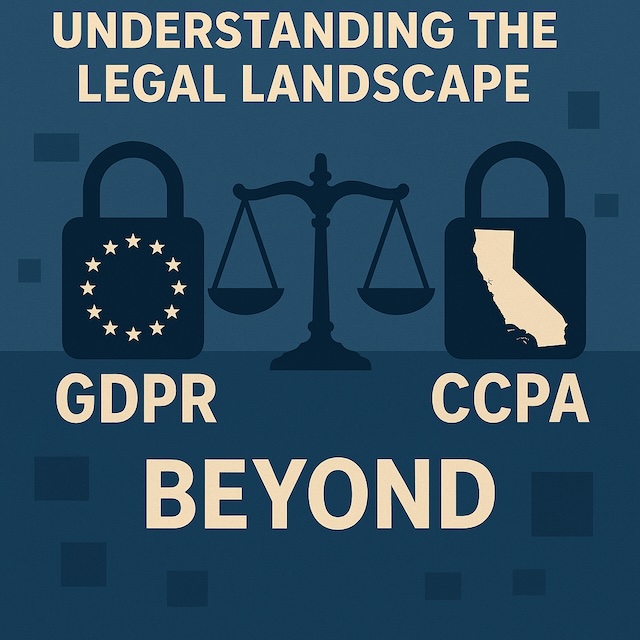
From Europe’s GDPR to California’s CCPA, a wave of global privacy laws is reshaping how online retailers collect, process, and store customer information. Privacy isn’t just a compliance issue anymore — it’s a core part of brand trust.
The Real Cost of Ignoring Privacy
The consequences of non-compliance are more than theoretical. Major brands have paid the price:
- Amazon was fined over €746 million under GDPR for improper cookie consent practices.
- Sephora paid $1.2 million under the CCPA for failing to disclose data sales to third parties.
- Meta (Facebook) faced billions in penalties for unlawful data transfers.
These cases highlight a clear trend — regulators are enforcing privacy rules aggressively, and no brand, large or small, is immune.
But beyond fines, there’s another cost: lost customer trust. According to PwC, 85% of consumers will refuse to buy from a company if they’re worried about its data practices.
Privacy as a Competitive Advantage
In an age where personalization and trust coexist uneasily, the smartest brands are turning privacy into a strategic differentiator.
- Apple built its marketing around user control (“What happens on your iPhone stays on your iPhone”).
- DuckDuckGo grew its audience by offering zero data tracking.
- Shopify merchants are now emphasizing privacy-conscious design to stand out from competitors.
When your customers know you respect their data, you don’t just comply — you build loyalty.
The New Expectations of the Digital Shopper
Today’s consumers expect:
- Transparency — Clear information about what data you collect and why.
- Control — Easy opt-ins, opt-outs, and consent management.
- Security — Assurance that their data won’t be misused or breached.
- Accountability — Swift action if something goes wrong.
Privacy has become a pillar of the customer experience. Failing to meet these expectations can harm your brand as much as poor customer service.
How eCommerce Businesses Can Adapt
You don’t need to overhaul your entire tech stack overnight. Start with small, strategic steps:
- Audit Your Data
- Identify what personal data you collect (email, IP address, payment info, etc.).
- Map where it’s stored and who has access.
2. Update Your Privacy Policy
- Use plain language and add examples.
- Clearly explain how you use data for marketing, analytics, and shipping.
3. Revisit Your Consent Practices
- Replace “pre-ticked boxes” with true opt-in consent.
- Offer granular choices — for cookies, newsletters, and data sharing.
4. Train Your Team
- Make privacy part of onboarding for marketing, tech, and support staff.
- Encourage everyone to think of data as a customer promise, not just a legal checkbox.
Privacy = Trust = Growth
Privacy-first businesses are not only safer from fines — they’re future-proof. As regulations tighten and consumers become more privacy-aware, transparent brands will be the ones customers stick with.
“In the future, every successful eCommerce brand will be built on two pillars: personalization and privacy.”
Coming Next:
Part 2 — Understanding the Legal Landscape: GDPR, CCPA & Beyond
Learn how global privacy laws apply to your online store — even if your business isn’t based in those regions.
If you want to read more about the New Era of Data Privacy, please see Recommended Books.